False news is where a media agency publishes a story that has been slightly altered to make the story sound more interesting and attract a larger audience or they have published a story that has no evidence that supports it to be legitimate. My opinion of fake news depends on the context of the story if the story involves bereavement then distortion of the story to make it seem more interesting for the attention of viewers seems unethical as it portrays the story in a different light therefore causing the subjects more emotional harm. Evidencing why the production of fake news can cause a loss of trust from the public (Mcnair, 2017).
Freedom of speech is where anyone has the right to voice their opinion with no legal consequences, essentially “freedom of opinion and expression” (Dodd and Hanna, 2012, p. 396). I agree that everyone has a right to voice their opinion without being judged or criticised. However, there is an appropriate manner of expressing this which can be ignored by media outlets. Sometimes media freedom of speech isn’t ‘free’ as censorship laws stop media agency’s being able to voice their true opinion.
McNair, B. (2017) Fake news: Falsehood, Fabrication and Fantasy. London: Routledge.
Dodd, M. and Hanna, M. (2012) McNae’s Essential law for Journalists. 24th ed. Oxford University Press.
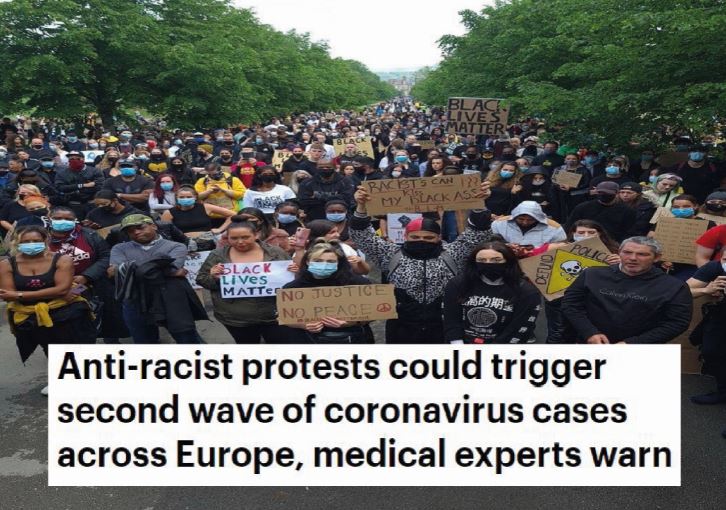
Figure 2: screenshot of Daily Mail Newspaper, taken by Paris Thomas
Cachia, A. (2020) Anti-racist protests could trigger second wave of coronavirus cases across Europe, medical experts warn. Daily Mail [Online], 11 June. Available from: <https://www.dailymail.co.uk/news/article-8411319/Anti-racist-protests-trigger-second-wave-coronavirus-Europe-medical-experts-warn.html> [Accessed 13 June 2020].
Huddersfieldofficialblm (2020) Huddersfield Black Lives Protest [Online Photograph]. Available from: <https://www.instagram.com/huddersfieldofficialblm/?hl=en?> [Accessed 13 June 2020].
 Paris Thomas - Critical Journal Blog